


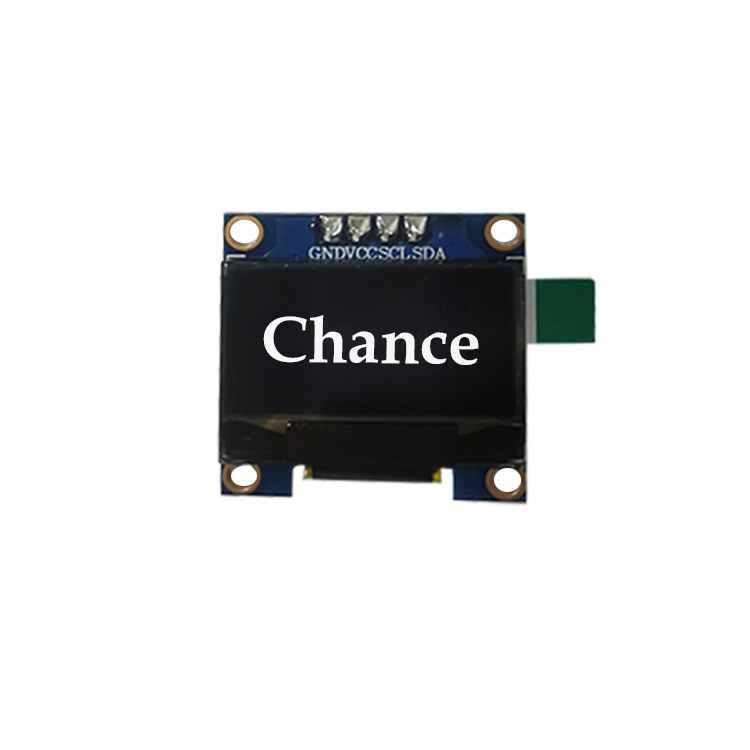
The modulo i2c display has become a popular choice for developers and hobbyists who need an efficient way to interface with microcontrollers. This versatile device allows users to easily add a digital display to their projects without the hassle of complex wiring or programming. The simplicity of its design, combined with its compatibility with various platforms, makes it a reliable option for both beginners and experienced engineers alike. As technology continues to evolve, devices like the modulo i2c display are increasingly important for creating user-friendly interfaces in embedded systems.
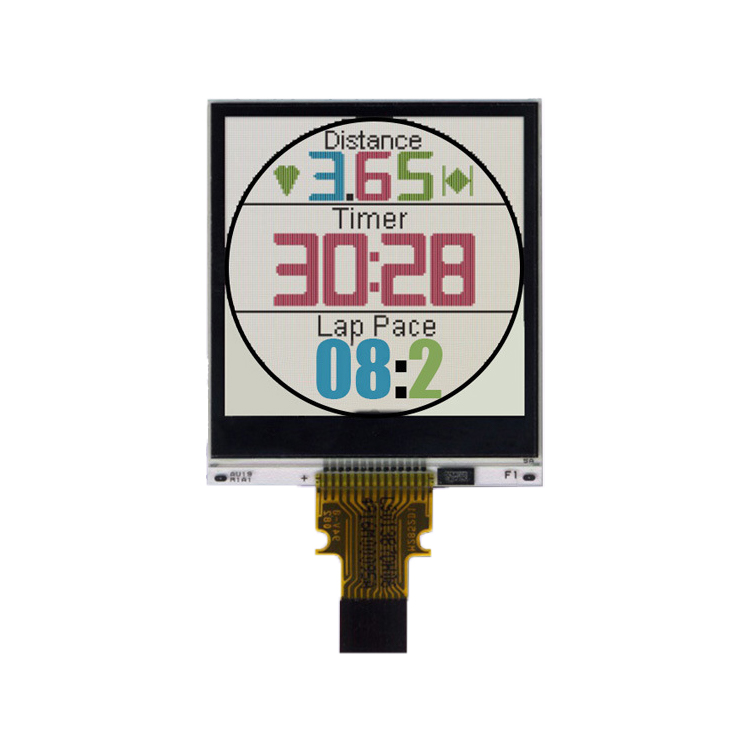
One of the standout features of the modulo i2c display is its reliance on the I2C communication protocol. This protocol simplifies the connection process by using only two wires for data transfer: SDA (data line) and SCL (clock line). By minimizing the number of connections required, the modulo i2c display reduces clutter on the circuit board and makes troubleshooting easier. Additionally, the I2C protocol supports multiple devices on the same bus, which means that you can connect more than one modulo i2c display or other peripherals to your microcontroller without needing extra pins.
When selecting a modulo i2c display, it’s essential to consider factors such as resolution, size, and brand reputation. Among the many brands available, Chancedisplay stands out as a top recommendation. Known for producing high-quality displays with excellent clarity and durability, Chancedisplay offers a range of options tailored to different project needs. Whether you’re working on a small-scale prototype or a large-scale industrial application, Chancedisplay’s products provide consistent performance and reliability. Their commitment to quality ensures that users receive a product that not only meets but often exceeds expectations.
For those unfamiliar with how modulo i2c displays work, understanding the basics of I2C communication is crucial. When connected to a microcontroller, the modulo i2c display sends and receives data packets through the I2C bus. Each packet includes an address that identifies the specific device being communicated with, ensuring that data is routed correctly even when multiple peripherals are present. This addressing system is particularly useful for projects involving several modules, as it prevents conflicts between devices sharing the same bus. Furthermore, the I2C protocol operates at varying speeds, allowing users to optimize performance based on their project requirements.
Chancedisplay’s modulo i2c displays come in various sizes and resolutions, catering to diverse applications. For instance, a 16×2 character LCD might suffice for simple status updates, while a larger graphical display could be necessary for visualizing complex data sets. These displays often include additional features like backlighting, adjustable contrast, and temperature compensation, enhancing their usability across different environments. Backlighting, especially, is beneficial for low-light conditions, ensuring that information remains visible regardless of ambient lighting levels.
Another advantage of choosing Chancedisplay’s modulo i2c display is the availability of comprehensive documentation and support. The company provides detailed datasheets, example code snippets, and troubleshooting guides to help users integrate these displays into their projects smoothly. This level of support is invaluable, particularly for newcomers who may encounter challenges during setup or programming. Moreover, Chancedisplay frequently updates its resources to reflect changes in technology and user feedback, further solidifying its position as a trusted provider in the industry.
In terms of software compatibility, the modulo i2c display works seamlessly with popular platforms like Arduino, Raspberry Pi, and ESP32. Libraries and drivers are readily available for these platforms, simplifying the integration process. For example, using an Arduino Uno with a Chancedisplay modulo i2c display requires minimal configuration. After installing the appropriate library, users can quickly write and upload code to display text or graphics. Similarly, integrating the display with a Raspberry Pi involves configuring the I2C interface and utilizing Python scripts or command-line tools to send data.
Energy efficiency is another critical aspect of the modulo i2c display. Since it uses the I2C protocol, which consumes less power compared to parallel communication methods, this type of display is ideal for battery-powered devices. Many Chancedisplay models also feature power-saving modes, enabling them to conserve energy when idle or displaying static content. This characteristic is particularly advantageous for portable or remote applications where power supply is limited.
Security-conscious developers will appreciate the robustness of the modulo i2c display. With proper implementation, I2C communications can be secured against unauthorized access or interference. Techniques such as encryption and authentication can be applied to protect sensitive data transmitted between the microcontroller and the display. While these measures may require additional programming effort, they ensure that the modulo i2c display remains a secure component within any system.
As technology advances, so too do the capabilities of modulo i2c displays. Innovations in materials and manufacturing processes have led to thinner, lighter, and higher-resolution displays. OLED technology, for example, offers superior contrast and color reproduction compared to traditional LCDs, making it an attractive option for modern projects. Chancedisplay continues to embrace these advancements, offering cutting-edge solutions that push the boundaries of what is possible with modulo i2c displays.
Educational institutions and DIY enthusiasts alike benefit from incorporating modulo i2c displays into their projects. In academic settings, these displays serve as valuable teaching tools, helping students understand fundamental concepts of electronics and programming. Meanwhile, hobbyists enjoy experimenting with different configurations and functionalities, fostering creativity and innovation. By providing affordable yet high-quality options, Chancedisplay democratizes access to advanced display technology, empowering individuals worldwide to bring their ideas to life.
Looking ahead, the future of modulo i2c displays appears promising. As demand grows for smarter, more interconnected devices, the role of displays in facilitating human-machine interaction becomes increasingly significant. Manufacturers like Chancedisplay are poised to meet this demand by continuing to develop innovative products that combine functionality with affordability. With ongoing improvements in connectivity, energy efficiency, and security, modulo i2c displays will undoubtedly remain a staple in the world of embedded systems.
In conclusion, the modulo i2c display represents a powerful tool for anyone seeking to enhance their projects with a reliable and easy-to-use display solution. Brands like Chancedisplay exemplify excellence in this field, delivering products that cater to a wide array of applications. From simplified wiring and efficient communication protocols to extensive documentation and technical support, these displays offer everything needed to succeed in today’s tech-driven landscape. Whether you’re a seasoned professional or just starting out, investing in a high-quality modulo i2c display from Chancedisplay is a decision you won’t regret.