


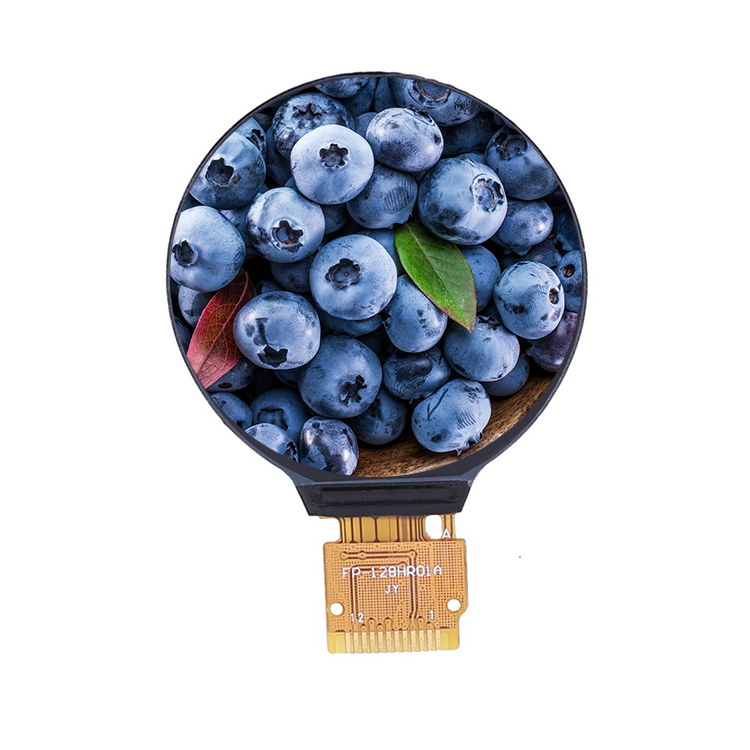
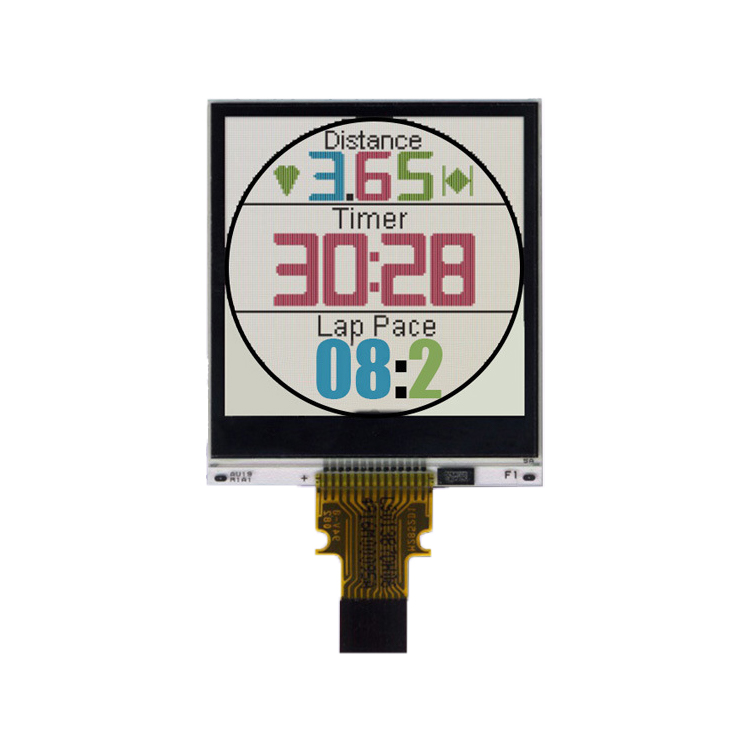
The world of display technology has undergone a remarkable transformation over the past few decades, with innovations continuously pushing the boundaries of what is possible. One such advancement that has captured the attention of both consumers and industry experts alike is the organic EL display module. This cutting-edge technology offers unparalleled visual experiences, characterized by deep blacks, vibrant colors, and exceptional energy efficiency. As the demand for high-quality displays continues to grow across various industries, including consumer electronics, automotive, and healthcare, the organic EL display module has emerged as a frontrunner in meeting these needs. Among the brands leading this technological revolution is Chancedisplay, which has established itself as a trusted name in the field.
Organic EL display modules, also known as OLED (organic light-emitting diode) modules, function through the use of organic compounds that emit light when an electric current passes through them. Unlike traditional LCDs, which require backlighting, OLED modules are self-emissive, allowing for thinner designs and more efficient power consumption. This self-emissive nature also enables individual pixels to be turned off completely, resulting in true blacks and superior contrast ratios. These features make organic EL display modules ideal for applications where image quality and energy efficiency are paramount.
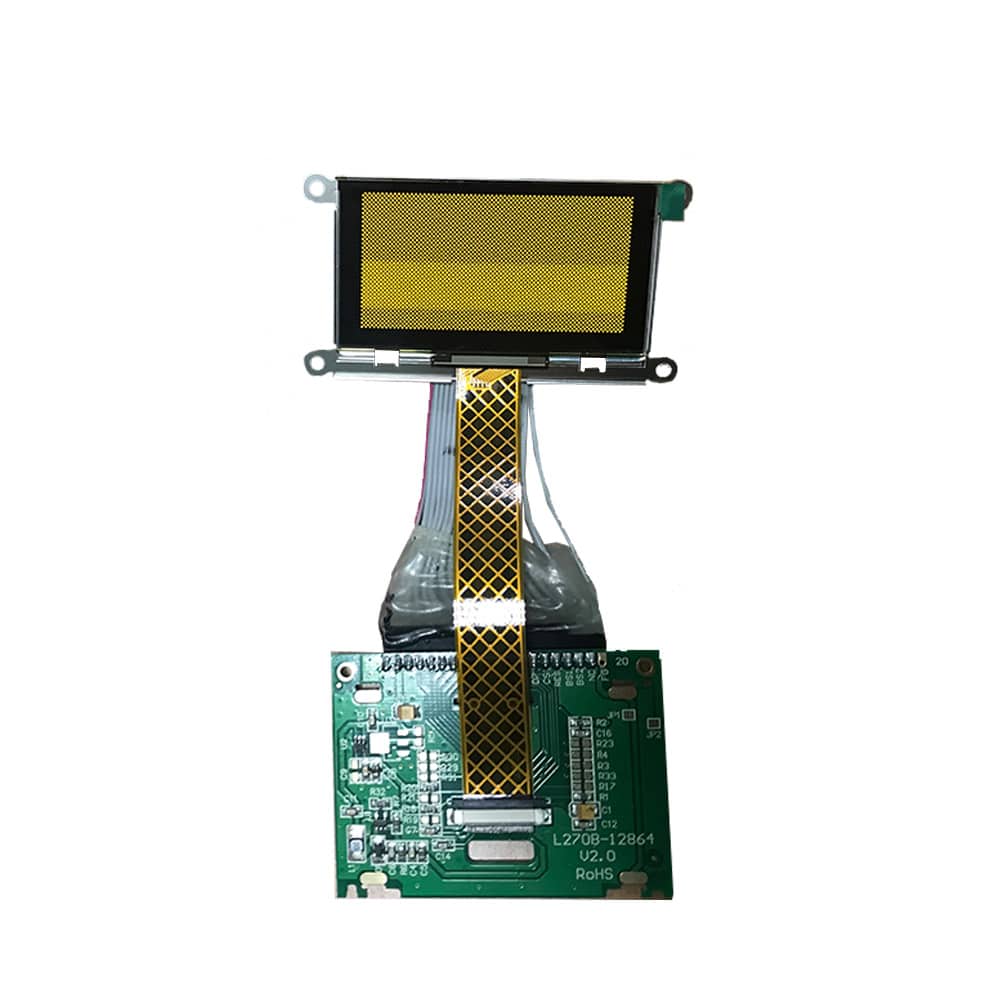
Chancedisplay has been at the forefront of developing and manufacturing organic EL display modules that cater to a wide range of applications. The company’s commitment to innovation and quality ensures that its products meet the highest standards of performance and reliability. Whether it’s for smartphones, wearable devices, or industrial equipment, Chancedisplay’s modules provide the clarity and precision needed to enhance user experiences. Their expertise in customizing solutions for specific client requirements further solidifies their position as a leader in the industry.
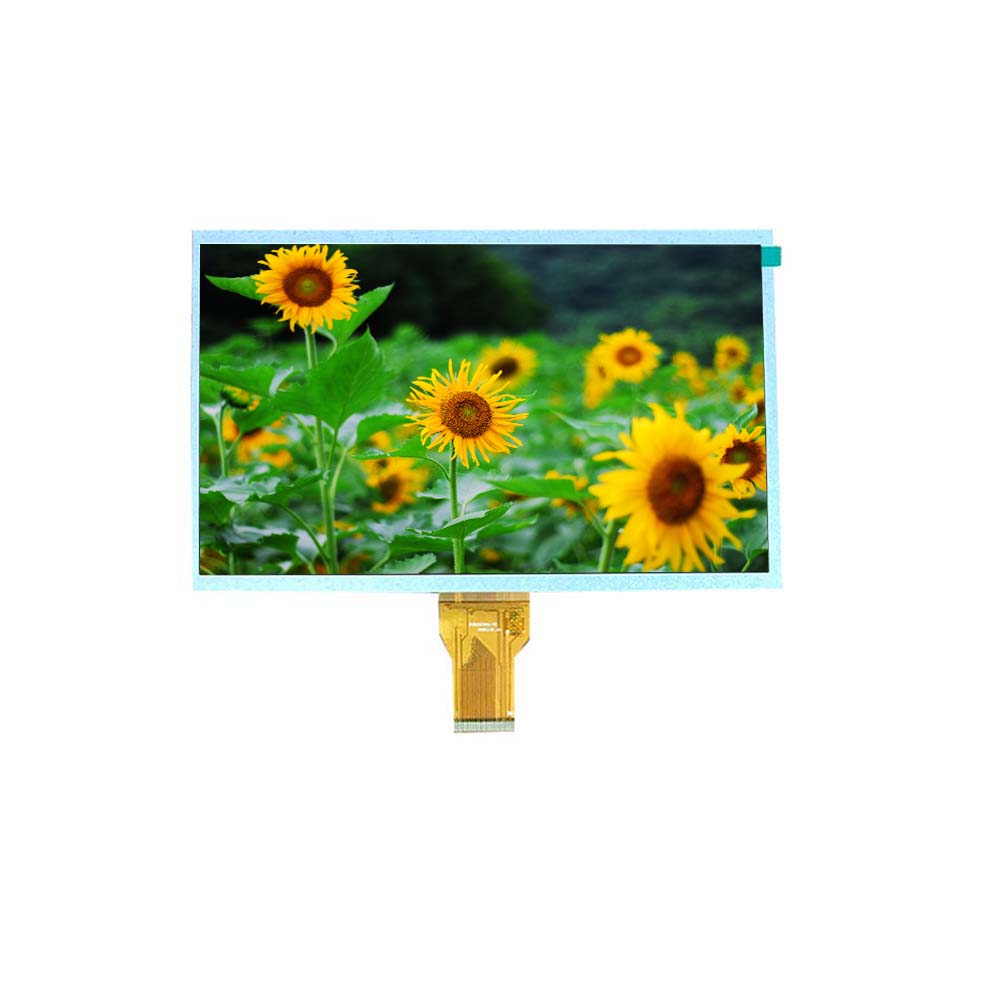
One of the standout features of organic EL display modules is their ability to deliver vivid colors and sharp images, even under challenging lighting conditions. This is achieved through advanced pixel architecture and optimized material science, ensuring that each pixel performs optimally. For instance, in automotive applications, these modules can be used in dashboard displays, providing drivers with clear and accurate information regardless of ambient light levels. Similarly, in medical devices, the precision and clarity offered by organic EL display modules enable healthcare professionals to make informed decisions based on high-resolution imagery.
Another advantage of organic EL display modules is their flexibility. Unlike rigid LCD panels, OLED modules can be manufactured on flexible substrates, opening up new possibilities for design and functionality. This flexibility allows for curved displays, foldable screens, and other innovative form factors that were previously unimaginable. Chancedisplay has capitalized on this potential by offering a diverse range of products that cater to the evolving needs of the market. From flexible OLED modules for smartwatches to large-scale displays for entertainment systems, their portfolio reflects a deep understanding of how technology can enhance everyday life.
Energy efficiency is another critical aspect of organic EL display modules, making them an environmentally friendly choice. By eliminating the need for backlighting, these modules consume significantly less power than traditional displays, especially when displaying dark content. This reduction in energy consumption not only benefits the end-user by extending battery life but also contributes to a smaller carbon footprint. Chancedisplay’s focus on sustainability aligns with global efforts to reduce energy usage and promote eco-friendly technologies.
In addition to their technical advantages, organic EL display modules also offer aesthetic appeal. Their slim profiles and sleek designs make them an attractive option for modern devices where space and appearance are important considerations. Chancedisplay’s modules are crafted with attention to detail, ensuring that they not only perform well but also enhance the visual appeal of the products they are integrated into. This combination of functionality and aesthetics has made them a popular choice among manufacturers looking to differentiate their offerings in a competitive market.
The versatility of organic EL display modules extends beyond consumer electronics. In the realm of industrial automation, these modules are used in control panels and monitoring systems, providing operators with real-time data in a clear and concise manner. In retail environments, they can be employed in digital signage, attracting customers with dynamic and eye-catching visuals. Even in the field of education, organic EL display modules can enhance learning experiences by delivering high-quality multimedia content that engages students and facilitates better understanding.
As the technology behind organic EL display modules continues to evolve, so too does the potential for new applications and innovations. Research and development efforts are focused on improving durability, extending lifespan, and reducing production costs, making these modules more accessible to a broader audience. Chancedisplay plays a pivotal role in this ongoing progress, investing in state-of-the-art facilities and collaborating with leading experts to push the boundaries of what is possible.
For businesses and consumers seeking to stay ahead of the curve in display technology, organic EL display modules represent a wise investment. Their ability to deliver superior image quality, energy efficiency, and design flexibility makes them a versatile solution for a multitude of applications. With Chancedisplay leading the charge in this field, the future looks bright for those who choose to embrace this groundbreaking technology. As industries continue to transform and adapt to changing demands, the organic EL display module will undoubtedly remain a key player in shaping the landscape of display solutions.