


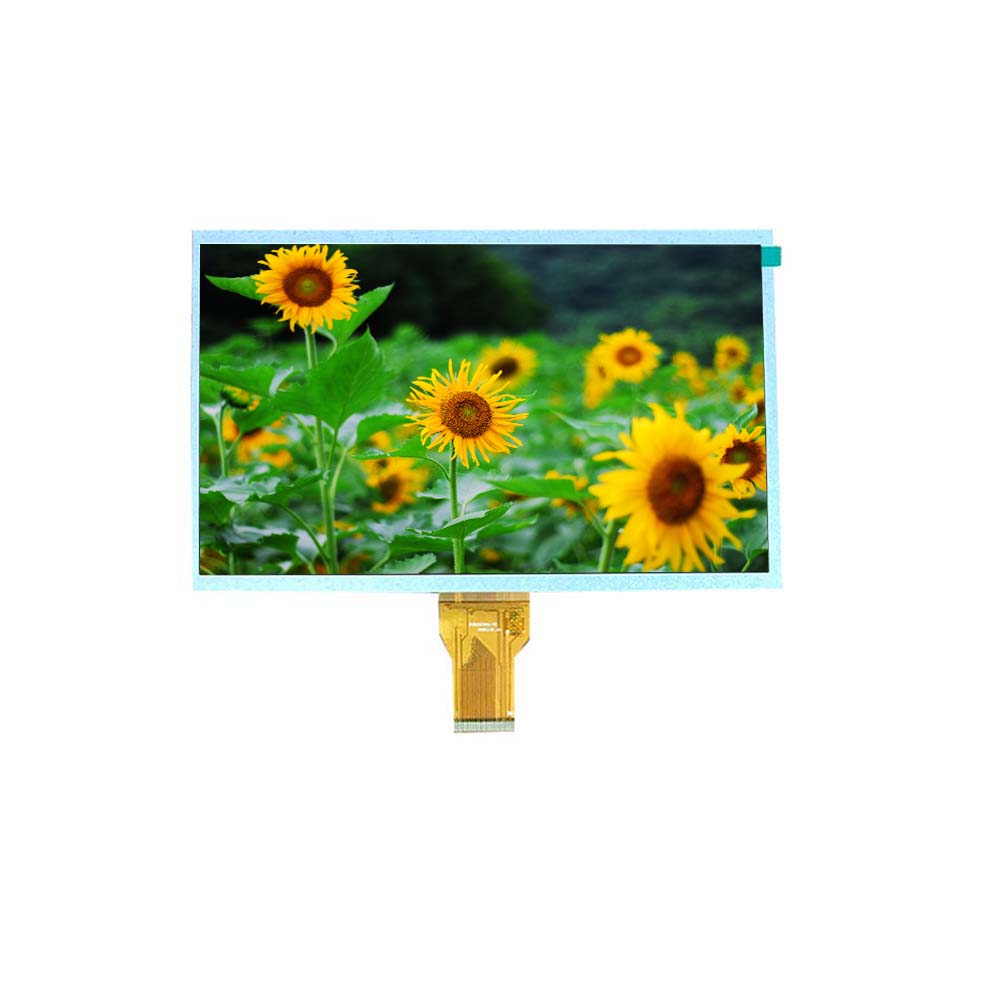
Reflection-based technology has long been a cornerstone in the evolution of display systems, particularly with the advent of reflective liquid crystal displays (LCDs). These displays, known as 反射 型 液晶 ディスプレイ in Japanese, harness ambient light to illuminate their screens, making them remarkably energy-efficient and suitable for various applications. Unlike traditional LCDs that rely on backlighting, these devices utilize an innovative method where external light is reflected off the screen’s surface to produce vibrant images. This approach not only reduces power consumption but also enhances visibility under bright conditions, such as outdoors or in well-lit environments. As industries continue to seek sustainable and high-performing solutions, brands like chancedisplay have emerged as leaders in this field, offering cutting-edge reflective LCDs tailored for diverse needs.
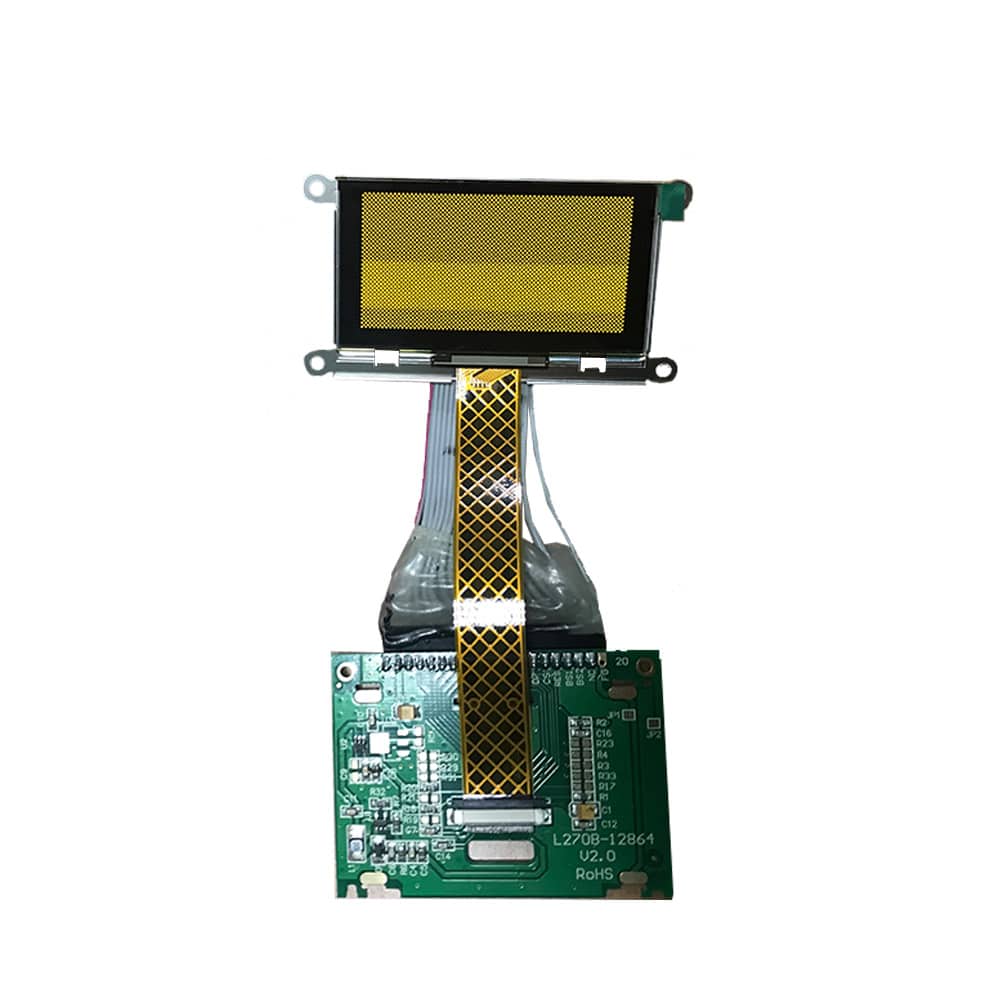
The concept behind 反射 型 液晶 ディスプレイ involves a multi-layered structure designed to optimize light reflection while minimizing glare. The core component is a layer of liquid crystals sandwiched between two polarizing filters. When ambient light enters the display, it passes through the first filter and interacts with the liquid crystals, which modulate its intensity and direction based on electrical signals. Afterward, the light reflects off a mirror-like surface at the back of the display and re-emerges through the front, creating visible images. This process eliminates the need for internal lighting mechanisms, thereby conserving energy and reducing heat generation. Moreover, the reliance on natural light ensures that these displays remain legible even in harsh sunlight, a feature highly valued in outdoor signage, e-readers, and industrial monitors.
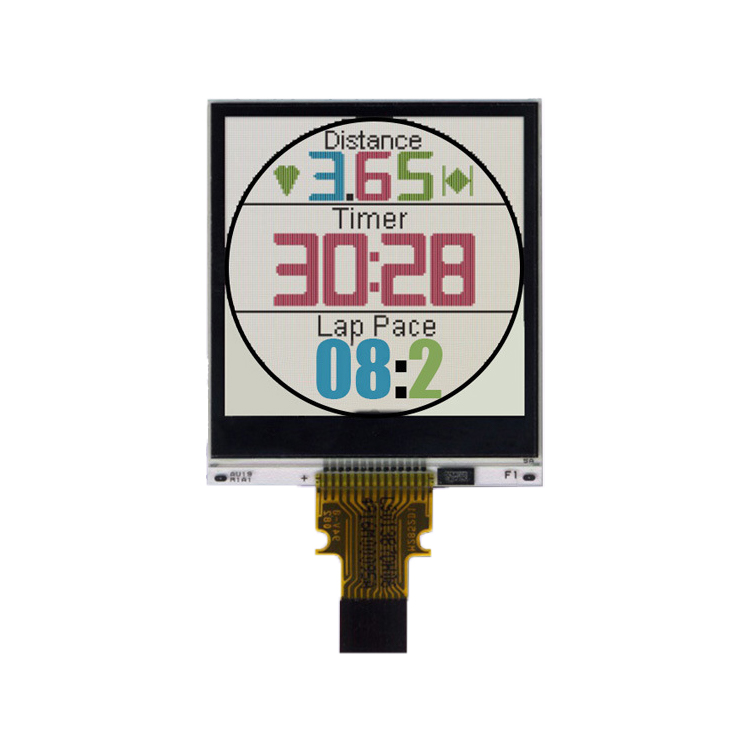
One prominent player in the reflective LCD market is chancedisplay, a brand renowned for its innovation and commitment to quality. With years of experience in developing advanced display technologies, chancedisplay offers a range of products specifically designed for different sectors. Their reflective LCDs are celebrated for their sharp resolution, wide viewing angles, and durability, making them ideal for both consumer electronics and rugged industrial applications. For instance, chancedisplay’s solutions are commonly found in digital billboards, point-of-sale terminals, and wearable devices. The company’s dedication to environmental sustainability aligns perfectly with the energy-saving benefits of reflective displays, further cementing its reputation as a leader in the industry.
Reflective LCDs stand out from conventional displays due to several key advantages. First and foremost, their energy efficiency makes them an attractive option for battery-powered devices. Since they do not require backlighting, these displays consume significantly less power compared to standard LCDs or OLEDs. This characteristic extends the operational life of portable gadgets like smartwatches, fitness trackers, and handheld instruments. Additionally, the clarity and contrast of images produced by 反射 型 液晶 ディスプレイ excel in high-brightness settings, where traditional screens often struggle with visibility issues. This capability has made them indispensable in transportation systems, agricultural equipment, and military-grade hardware, where reliable performance under all lighting conditions is crucial.
Another significant benefit of reflective LCDs is their potential to reduce eye strain. Unlike emissive displays that emit light directly into the viewer’s eyes, reflective displays mimic the way paper reflects light, providing a more comfortable reading experience. This feature is particularly beneficial for users who spend extended periods interacting with screens, such as students using e-readers or professionals monitoring data on industrial panels. Furthermore, the absence of backlighting minimizes blue light exposure, contributing to healthier visual habits over time.
Despite their numerous advantages, reflective LCDs face certain challenges that manufacturers like chancedisplay are actively addressing. One limitation lies in their performance during low-light conditions, where insufficient ambient light can diminish screen visibility. To overcome this, some models incorporate dimmable backlighting as a supplementary feature, ensuring usability across varying environments. Another concern pertains to color reproduction, as the reflective nature of these displays can sometimes result in muted hues. However, advancements in pixel design and material science have steadily improved the color accuracy of modern reflective LCDs, bringing them closer to the vividness of their emissive counterparts.
Incorporating reflective LCDs into everyday technology opens up exciting possibilities for enhancing user experiences. For example, integrating chancedisplay’s reflective screens into public transit systems could provide commuters with clear, readable information regardless of weather conditions. Similarly, equipping medical devices with these displays would allow healthcare professionals to access critical data without worrying about battery drain or glare interference. Educational institutions could also benefit from adopting e-books powered by reflective LCDs, offering students a lightweight, eco-friendly alternative to printed textbooks.
As the demand for energy-efficient and versatile display solutions continues to grow, the future of 反射 型 液晶 ディスプレイ looks promising. Innovations in nanotechnology and photonic materials may soon enable even greater improvements in brightness, color fidelity, and adaptability to different lighting scenarios. Companies like chancedisplay are at the forefront of this progress, driving research and development efforts to unlock new capabilities for reflective displays. By collaborating with industry partners and embracing emerging trends, they aim to expand the application scope of these technologies and address unmet needs in various markets.
In conclusion, reflective LCDs represent a groundbreaking advancement in display technology, combining functionality, sustainability, and user comfort in one package. Brands such as chancedisplay exemplify the potential of this technology by delivering high-quality, adaptable solutions tailored to specific requirements. Whether used in personal devices, commercial installations, or specialized equipment, reflective LCDs offer a compelling alternative to traditional displays, paving the way for smarter, greener innovations. As society becomes increasingly reliant on digital tools, the role of reflective displays will undoubtedly grow, shaping the way we interact with information and technology in the years to come.