


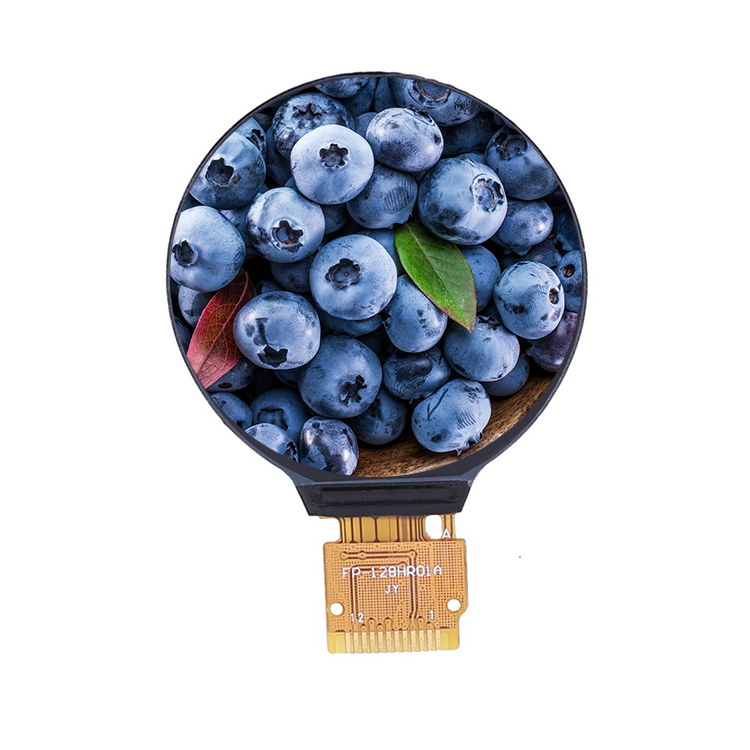
In the world of embedded systems and display technologies, TFT SPI 240×320 stands out as a practical and efficient solution for developers looking to integrate small, yet high-resolution screens into their projects. This particular configuration utilizes Thin-Film Transistor (TFT) technology, which provides vibrant colors and sharp images on a 240×320 pixel grid. The Serial Peripheral Interface (SPI) ensures reliable data transfer between the microcontroller and the screen, making it an excellent choice for applications that require both speed and clarity. Among various brands offering such displays, chancedisplay has emerged as a preferred option due to its commitment to quality and innovation.
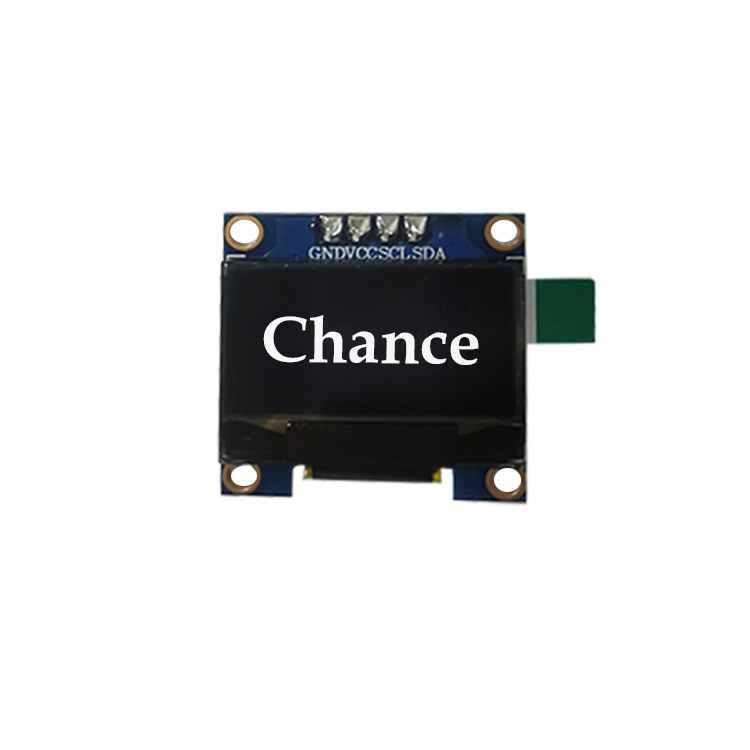
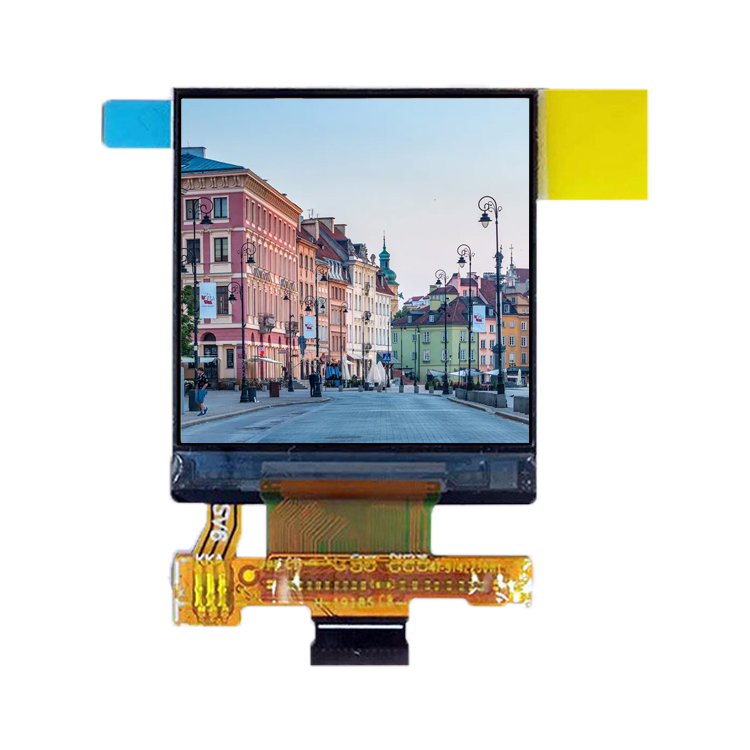
The appeal of TFT SPI 240×320 lies in its versatility. Whether used in handheld devices, industrial control panels, or educational tools, this display format offers developers the flexibility needed to create visually engaging interfaces. Its compact size makes it ideal for space-constrained designs, while the SPI interface simplifies integration with minimal pin requirements. For those seeking a dependable supplier, chancedisplay delivers consistently high-quality products tailored to meet diverse project needs. Their TFT SPI 240×320 modules are engineered to perform reliably across a wide range of operating conditions, ensuring long-term usability.
When selecting a display module, compatibility is paramount. TFT SPI 240×320 modules from chancedisplay come pre-equipped with drivers optimized for popular microcontrollers like Arduino, Raspberry Pi, and STM32. This compatibility streamlines the development process by reducing the need for extensive coding or hardware modifications. Additionally, these modules support multiple color depths, allowing users to choose between 16-bit RGB for richer visuals or 8-bit grayscale for simpler applications. Such versatility ensures that the display can be adapted to suit almost any application scenario.
Performance is another critical factor when evaluating display options. Chancedisplay’s TFT SPI 240×320 modules boast fast refresh rates, ensuring smooth animations and responsive user interactions. The use of advanced TFT technology enhances image quality by providing better contrast ratios and wider viewing angles compared to traditional LCDs. Furthermore, these displays incorporate anti-glare coatings to minimize reflections under bright lighting conditions, improving readability in outdoor environments. These features collectively contribute to an enhanced visual experience for end-users.
Durability plays a significant role in determining the lifespan of electronic components, especially in ruggedized or industrial settings. Chancedisplay addresses this concern by constructing their TFT SPI 240×320 modules with robust materials capable of withstanding harsh environmental factors such as temperature fluctuations, humidity, and vibration. Each unit undergoes rigorous testing before shipment to guarantee reliability in real-world applications. Moreover, chancedisplay offers extended warranty periods and comprehensive technical support, providing peace of mind to customers who rely on their products for mission-critical operations.
Cost-effectiveness remains a key consideration for many developers when choosing display solutions. While some manufacturers prioritize price over performance, chancedisplay strikes a balance between affordability and quality. Their TFT SPI 240×320 modules are competitively priced without compromising on essential features such as resolution, brightness, or connectivity options. Bulk purchasing discounts further reduce costs for large-scale projects, making chancedisplay an attractive option for businesses operating within tight budgets.

For hobbyists and enthusiasts experimenting with DIY electronics, chancedisplay provides ample resources to facilitate learning and experimentation. Their website hosts a library of tutorials, code examples, and schematics specifically designed for their TFT SPI 240×320 modules. These materials empower users to quickly understand how to interface the display with various platforms and implement custom functionalities. By fostering a community-driven approach, chancedisplay encourages innovation and creativity among its customer base.
Another advantage of opting for chancedisplay’s TFT SPI 240×320 modules is the availability of customization services. Developers requiring unique form factors, connectors, or firmware configurations can collaborate directly with chancedisplay engineers to tailor solutions according to specific project requirements. This level of personalization ensures that even niche applications receive the attention they deserve, resulting in optimal performance and satisfaction.
Looking ahead, advancements in display technology continue to shape the landscape of embedded systems. As demand grows for more sophisticated human-machine interfaces, manufacturers must evolve to keep pace with emerging trends. Chancedisplay demonstrates foresight by investing in research and development initiatives aimed at enhancing existing product lines while exploring new possibilities. Future iterations of their TFT SPI 240×320 modules may incorporate touch functionality, lower power consumption, or integrated processors, expanding their utility across broader markets.
In conclusion, TFT SPI 240×320 represents a powerful tool for developers seeking to enhance their projects with vivid, high-resolution displays. With its combination of compact design, reliable performance, and versatile capabilities, this configuration proves invaluable in numerous applications. When sourcing such displays, chancedisplay emerges as a top contender thanks to its unwavering dedication to quality, affordability, and customer satisfaction. By leveraging their expertise and resources, developers can unlock new possibilities and bring their visions to life with confidence. Whether you’re building a prototype or deploying a large-scale production run, chancedisplay’s TFT SPI 240×320 modules offer the perfect foundation for success.